

The standard Vietnam e-Visa takes 3 working days to process, though the government officially states 3-10 business days depending on application volume. Visa on Arrival approval letters arrive in 2-4 working days, while embassy-issued visas require 5-7 business days for standard processing. This guide breaks down processing times for every Vietnam visa type, explains what causes delays, and shows you how to get your visa approved as fast as possible.
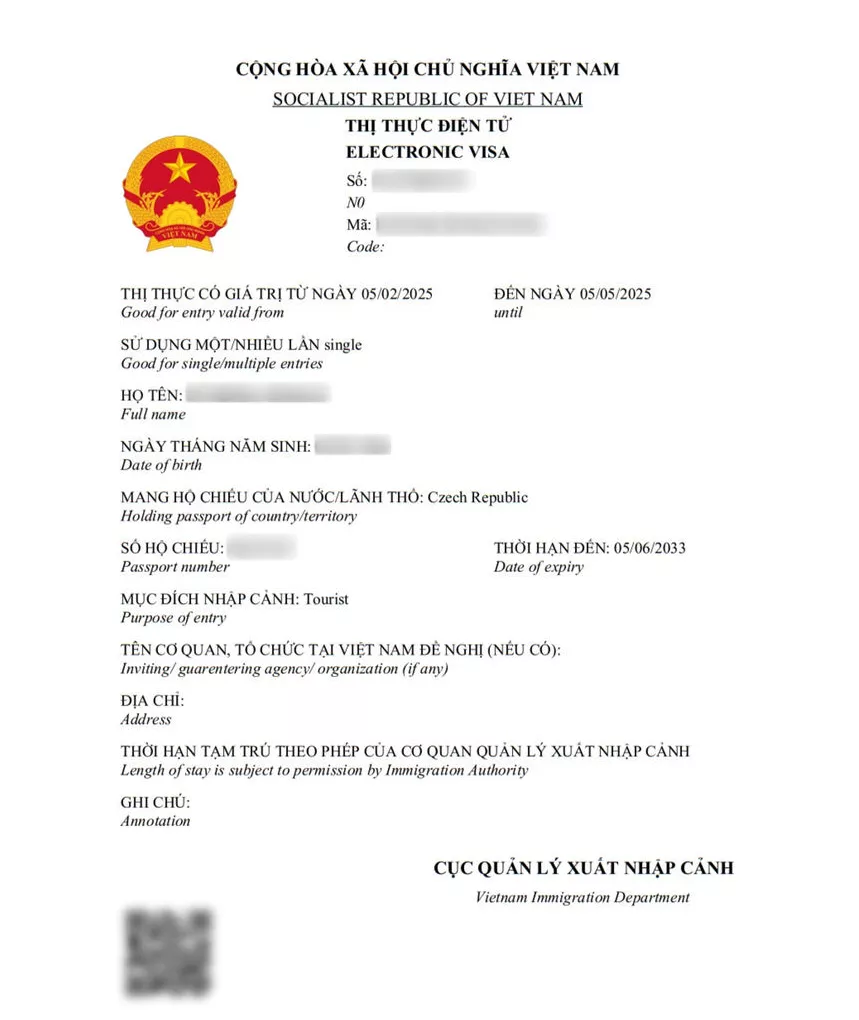
Vietnam e-Visa Processing Time
The Vietnam e-Visa processes in 3 working days under normal conditions, with the government’s official window spanning 3-10 business days. The e-Visa system, launched as a pilot program on February 1, 2017, expanded to cover all nationalities on August 15, 2023. Today it serves as the primary visa method for most travelers.
Standard processing timeline:
- 3 working days – typical approval time for straightforward applications
- 5-7 business days – during peak travel seasons (June-August, December-January)
- 7-10 business days – during Vietnamese public holidays or when application backlogs occur
e-Visa costs:
- $25 USD – single-entry e-Visa
- $50 USD – multiple-entry e-Visa
Key specifications:
- Maximum stay: 90 days
- Entry type: Single or multiple
- Approved entry points: 83 international gates (airports, land crossings, seaports)
- Application portal: evisa.xuatnhapcanh.gov.vn
As of 2026, the port-of-entry restriction has been removed. You can enter and exit through any approved international gate, regardless of which one you selected during the application process. This gives travelers complete flexibility if plans change after approval.
Processing starts from the date your application is submitted, not from when you start filling out the form. The e-Visa is delivered to your email as a PDF document – you must print at least one physical copy for immigration officers at the port of entry.
Vietnam Visa on Arrival Processing Time
The Visa on Arrival (VOA) approval letter takes 2-4 working days to process through the Vietnamese Immigration Department. The actual visa is then stamped at the airport upon arrival, which adds 15-30 minutes of processing time at the immigration counter.
VOA processing breakdown:
| Stage | Timeframe |
|---|---|
| Approval letter processing | 2-4 working days |
| Airport stamping on arrival | 15-30 minutes |
| Total (from application to entry) | 3-5 working days |
Express approval options:
- Same-day approval – available through authorized agents for an additional fee ($30-$50 extra)
- 2-3 day express – faster processing with priority handling
- Super-urgent/emergency – some agents offer 4-8 hour turnaround for last-minute travelers
VOA costs:
- Approval letter: $6-$25 (varies by agent)
- Stamping fee at airport: $25 (single entry, 1-3 months) or $50 (multiple entry, 1-3 months)
- Total typical cost: $30-$75 including agent fees and stamping
Important limitation: VOA is only available for travelers arriving by air at Vietnamese international airports. Land border crossings and seaports do not accept VOA – you need an e-Visa or embassy visa for those entry points.
The approval letter is issued by the Vietnamese Immigration Department through licensed travel agencies. You cannot apply directly for a VOA letter without going through an authorized agent. The letter lists your name, passport number, arrival date, and the airport where you will collect your visa.
Embassy Visa Processing Time
Standard embassy visa processing takes 5-7 business days from the date of submission. Express options can reduce this to 2-3 business days, and some embassies offer same-day processing for urgent cases.
Embassy processing tiers:
| Speed | Timeframe | Additional Cost |
|---|---|---|
| Standard | 5-7 business days | Base fee only |
| Express | 2-3 business days | +$100-$150 service fee |
| Same-day | 1 business day | +$200-$250 service fee |
Embassy visa fees:
- Single entry, 30 days: $70 USD
- Single entry, 90 days: $100 USD
- Multiple entry, 90 days: $130 USD
Processing starts on the next business day after submission. Vietnamese embassies and consulates are closed on weekends and Vietnamese national holidays, which do not count toward processing days.
Where to apply:
- In person at a Vietnamese Embassy or Consulate in your country
- By mail (some embassies accept postal applications, adding transit time)
- Through a visa agency or travel agent who handles the submission
The embassy visa remains the only option for travelers who need a visa type not available through the e-Visa system, such as work visas (LD/DN), student visas (DH), investor visas (DT), or diplomatic visas (NG1-NG4). These specialized visa categories typically require additional documentation and may take longer to process than tourist visas.
Factors That Affect Vietnam Visa Processing Time
Several factors can significantly extend or shorten your Vietnam visa processing time, ranging from application accuracy to seasonal demand and Vietnamese public holidays.
Application Accuracy
Incorrect or incomplete applications are the most common cause of delays. The top rejection reasons, according to iVisa (99% approval rate with proper preparation), include:
- Low-quality passport scans – blurry, cropped, or glare-obscured images
- Photo violations – wearing glasses, non-white background, incorrect dimensions (required: 4cm x 6cm)
- Typos in passport number or name – must match the machine-readable zone exactly
- Wrong visa dates – entry and exit dates that conflict with travel plans
A single error can add 3-5 extra business days if your application is rejected and you need to resubmit.
Vietnamese Public Holidays
Government immigration offices close during national holidays, pausing all processing. The major holidays that affect visa processing:
| Holiday | Date | Processing Impact |
|---|---|---|
| Tet (Lunar New Year) | Late Jan / Early Feb (7-9 days) | Complete halt |
| Hung Kings Commemoration | April 10 | 1-day delay |
| Reunification Day | April 30 | 1-2 day delay |
| Labour Day | May 1 | 1-2 day delay |
| National Day | September 2 | 1-2 day delay |
Tet is the most disruptive period – immigration offices close for 7-9 consecutive days, and processing backlogs can extend delays for an additional 5-7 days after offices reopen. Apply at least 3 weeks before travel if your trip coincides with Tet.
Peak Travel Seasons
Processing times lengthen during high-demand periods:
- June-August – summer travel season for European and North American tourists
- December-January – holiday travel combined with Tet preparation
- March-April – spring break and pre-Tet planning for some nationalities
During peak seasons, standard e-Visa processing can extend from 3 days to 7-10 business days.
Nationality and Visa Type
Processing times vary by nationality due to additional security checks for certain countries. Standard tourist e-Visas process fastest, while:
- Business visas may require invitation letters, adding 1-2 days
- Work visas need employer sponsorship and work permits, typically 5-10 business days
- Student visas require university enrollment verification
How to Speed Up Vietnam Visa Processing
The fastest way to get a Vietnam visa is through same-day express processing via an authorized agent, which can deliver an approval letter within 4-8 hours for an additional fee. For e-Visas, the minimum realistic timeframe is 3 business days.
Strategy 1: Apply Early
Submit your e-Visa application at least 2 weeks before your departure date. This provides a buffer for any delays, rejections, or holiday closures. The e-Visa is valid from the date you specify as your entry date, so applying early does not reduce your stay duration.
Strategy 2: Use Express Services
- VOA express: Same-day or 2-day approval through authorized agents (extra $30-$150)
- Embassy express: 2-3 business day processing at embassies (extra $100-$250)
- Third-party expediters: Services like VisaHQ offer same-day embassy processing for $299 total
Strategy 3: Ensure Perfect Documentation
Submit a flawless application on the first try to avoid rejection delays:
- Photo: 4cm x 6cm, white background, no glasses, neutral expression, centered
- Passport scan: Clear, complete biometric page, no glare or cropping
- Details: Triple-check passport number, full name (matching machine-readable zone exactly), and dates
- Entry/exit dates: Ensure exit date is within the 90-day e-Visa validity window
Strategy 4: Avoid Holiday Periods
If possible, do not submit applications during or immediately before Vietnamese public holidays. Apply at least 10 business days before major holidays like Tet to ensure processing completes before offices close.
Processing Time Comparison: e-Visa vs VOA vs Embassy
| Feature | e-Visa | Visa on Arrival | Embassy Visa |
|---|---|---|---|
| Standard processing | 3 working days | 2-4 working days | 5-7 business days |
| Express option | Not available | Same-day (+$30-$50) | 2-3 days (+$100-$150) |
| Fastest possible | 3 business days | Same-day | Same-day |
| Application method | Online (self-service) | Through agent only | In-person or by mail |
| Cost (single entry) | $25 | $30-$75 total | $70-$100 + service fee |
| Maximum stay | 90 days | 90 days | 90 days (tourist) |
| Entry points | All 83 approved gates | Airports only | All entry points |
| Multiple entry option | Yes ($50) | Yes (higher stamping fee) | Yes ($130) |
| Extendable in-country | No | Varies | Varies by type |
| Best for | Most travelers | Last-minute air arrivals | Non-tourist visa types |
For most travelers, the e-Visa is the recommended option – it offers the best balance of cost ($25), processing speed (3 days), and flexibility (83 entry points, multiple entry available). VOA remains useful for last-minute air travelers who need same-day approval. Embassy visas are necessary only for specialized visa categories.
Common Processing Delays and How to Avoid Them
Rejection and Resubmission
If your e-Visa application is rejected, you must submit a completely new application and pay the fee again ($25 or $50). There is no appeals process. Rejection plus resubmission adds a minimum of 3-6 extra business days to your timeline.
Prevention: Use iVisa or similar services that review your application before submission. Their 99% approval rate comes from catching errors that cause government rejections.
Weekend and Holiday Gaps
Processing days are counted as business days only (Monday-Friday, excluding Vietnamese holidays). A Friday submission effectively does not start processing until Monday. A submission the day before a 3-day holiday weekend loses 3 calendar days.
Prevention: Submit applications early in the week (Monday-Wednesday) and check the Vietnamese holiday calendar before applying.
Email Delivery Issues
The e-Visa is delivered via email as a PDF. Some travelers report:
- Spam folder filtering – check junk/spam folders
- Delayed delivery – approval may be processed but email arrives hours later
- Wrong email address – typos in the email field mean you never receive the visa
Prevention: Use a reliable email provider (Gmail, Outlook), double-check the email address, and check the application status directly on the e-Visa portal.
Chinese Biometric Passport Complications
Holders of Chinese biometric ordinary passports must exchange their e-Visa for a free paper visa at the Vietnamese port of entry. This is because the passport contains a disputed map of the South China Sea, and Vietnam refuses to stamp on it. This adds 15-30 minutes to the arrival process.
Vietnam Visa Processing Time by Nationality
Visa-Exempt Countries (No Processing Time Needed)
Citizens of visa-exempt countries do not need to apply for a visa and can enter Vietnam immediately with a valid passport:
90-day exemption:
- Belarus, Chile
45-day exemption:
- United Kingdom, Germany, France, Italy, Spain, Sweden, Denmark, Finland, Norway, Japan, South Korea, Russia
- Note: Most 45-day exempt nationalities must wait 30 days between visits to re-enter visa-free
30-day exemption:
- Cambodia, Indonesia, Kyrgyzstan, Laos, Malaysia, Singapore, Thailand
21-day exemption:
- Philippines
14-day exemption:
- Brunei, Myanmar
Special: Phu Quoc Island – All foreign visitors arriving directly by air or sea from outside Vietnam can stay on Phu Quoc for 30 days without a visa. Passport must be valid for 6 months from arrival.
Countries Requiring Visa Processing
All other nationalities must apply for an e-Visa ($25, 3 working days), VOA through an agent, or an embassy visa before traveling. The processing times listed in this article apply equally regardless of nationality, though some nationalities may experience additional security screening that extends processing by 1-2 days.
Frequently Asked Questions About Vietnam Visa Processing Time
How long does it take to get a Vietnam e-Visa approved?
The Vietnam e-Visa takes 3 working days to process under normal conditions. The government’s official processing window is 3-10 business days. During peak travel seasons or Vietnamese public holidays, processing can extend to 7-10 business days. Apply at least 2 weeks before your departure to account for potential delays.
Can I get a Vietnam visa on the same day?
Yes, you can get a Visa on Arrival approval letter on the same day through authorized agents for an additional fee of $30-$50. Some agencies offer 4-8 hour express processing for emergency situations. The e-Visa does not offer same-day processing – the minimum is 3 business days. Embassy visas can also be processed same-day at some consulates for $200-$250 in service fees.
What is the fastest way to get a Vietnam visa?
The fastest method is same-day Visa on Arrival through an authorized agent, which can deliver an approval letter within 4-8 hours. For travelers arriving by land or sea (where VOA is not available), the e-Visa at 3 business days is the fastest option. Third-party expediting services like VisaHQ offer same-day embassy processing for approximately $299 total.
Does the Vietnam e-Visa processing time include weekends?
No, e-Visa processing time is counted in business days only (Monday through Friday, excluding Vietnamese national holidays). If you submit your application on Friday evening, processing effectively begins on Monday. A 3-business-day application submitted on Friday would be expected by Wednesday of the following week.
Why is my Vietnam e-Visa taking longer than 3 days?
Common reasons for extended processing include: application errors requiring manual review, high application volumes during peak seasons, Vietnamese public holidays pausing processing, and additional security screening for certain nationalities. If your application has been pending for more than 10 business days, contact the Vietnam Immigration Department or check the status on the e-Visa portal.
Can I speed up Vietnam e-Visa processing?
There is no official expedited processing option for the government e-Visa system. However, third-party services like iVisa offer expedited processing that can deliver approval in as little as 4 business days by ensuring your application is error-free and submitted optimally. The best strategy is to apply early and ensure all documents are correct on the first submission.
How long does a Vietnam embassy visa take to process?
Standard embassy visa processing takes 5-7 business days. Express processing (2-3 business days) is available at most embassies for an additional $100-$150 service fee. Same-day processing is possible at some embassies for $200-$250 in extra fees. Processing starts the next business day after submission.
Does Tet affect Vietnam visa processing time?
Yes, Tet (Lunar New Year) causes the longest processing delays of the year. Vietnamese immigration offices close for 7-9 consecutive days, typically in late January or early February. Processing backlogs can extend delays for an additional 5-7 days after offices reopen. Apply at least 3 weeks before travel if your trip falls during or shortly after Tet.
What happens if my Vietnam visa application is rejected?
If your e-Visa application is rejected, you must submit a new application and pay the fee again ($25 or $50). There is no appeals process for e-Visa rejections. The most common rejection reasons are low-quality photos, passport scan issues, and name/passport number typos. A rejection adds a minimum of 3-6 extra business days to your timeline.
Is Vietnam visa processing time the same for all nationalities?
The official processing times apply to all nationalities equally. However, travelers from certain countries may experience additional security screening that extends processing by 1-2 business days. Visa-exempt nationalities (from 14 to 90 days depending on country) do not need to apply for a visa at all and have zero processing time.
Can I apply for a Vietnam visa while already in Vietnam?
You cannot apply for an e-Visa or VOA while inside Vietnam. The e-Visa must be obtained before arrival. If you are already in Vietnam and need to extend your stay, contact the Vietnam Immigration Department for visa extension options, though e-Visa extensions are generally not granted. The alternative is a “visa run” – exiting the country and re-entering with a new e-Visa.
How early should I apply for a Vietnam visa before my trip?
Apply at least 2 weeks before your departure date for standard e-Visa processing. If traveling during peak season (June-August, December-January) or near Vietnamese holidays (especially Tet), apply 3-4 weeks in advance. The e-Visa is valid from your specified entry date, so applying early does not reduce your stay. For embassy visas, allow 3 weeks for standard processing.
Do I need a visa if I am only transiting through Vietnam?
If you remain in the international transit area and do not clear immigration, you do not need a visa. However, if you leave the transit area (for a long layover, hotel stay, or to collect and re-check bags for a self-transfer), you need a valid e-Visa or must be from a visa-exempt country. Transit without visa rules apply at major airports like Hanoi (Noi Bai) and Ho Chi Minh City (Tan Son Nhat).
What is the Vietnam Digital Arrival Card and does it affect processing time?
The Vietnam Digital Arrival Card was launched on April 15, 2026 at Tan Son Nhat Airport (SGN) in Ho Chi Minh City. It is an online form submitted before arrival at prearrival.immigration.gov.vn. It is not currently mandatory but may become required with limited notice. It does not affect visa processing time but is an additional pre-arrival step travelers should be aware of.