

What Is a Vietnam Transit Visa?
A Vietnam transit visa is a document that allows travelers to pass through Vietnam on their way to another destination. If you have a connecting flight with a layover at a Vietnamese airport, you may or may not need a visa depending on your situation.
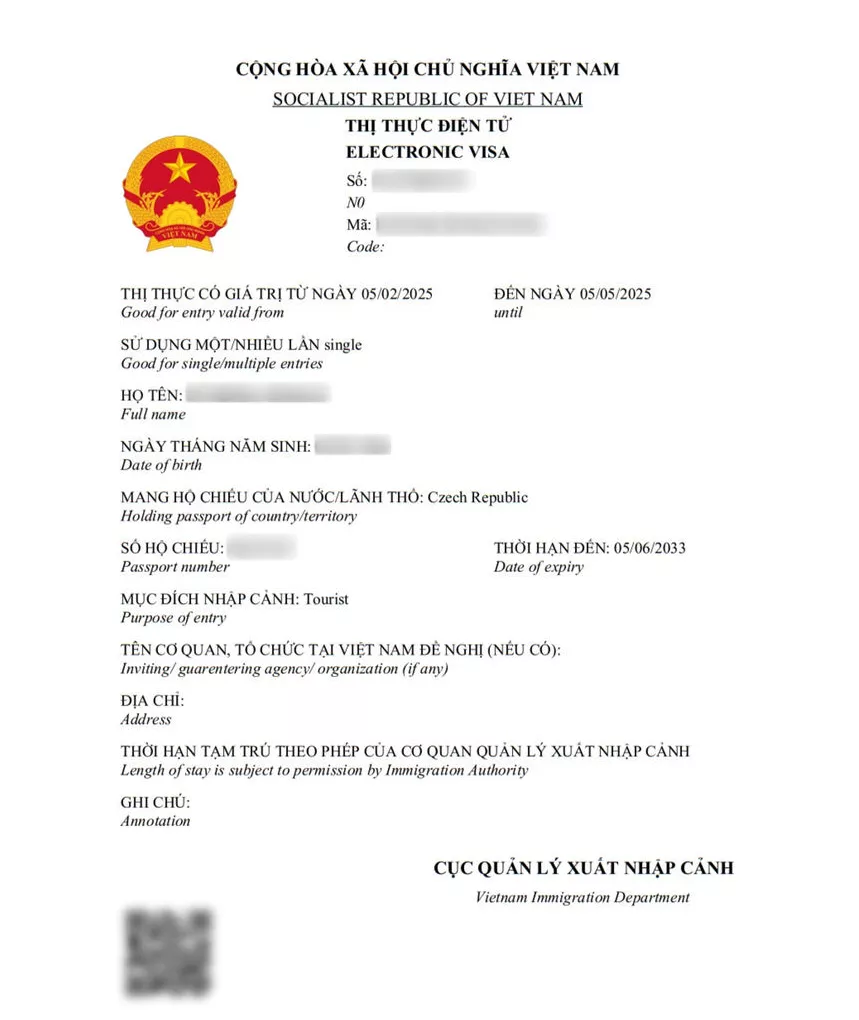
Here is the key point most travelers miss: Vietnam does not issue a dedicated “transit visa” type. If you need a visa to transit through Vietnam, you apply for the same eVisa or visa on arrival that tourists use. The difference is simply why you are entering the country.
This guide covers exactly when you need a transit visa, when you do not, and how to get one if required.
When Do You Need a Transit Visa for Vietnam?
Whether you need a visa for your Vietnam transit depends on two factors: how long your layover is and whether you leave the airport’s transit area.
Airside Transit (No Visa Required)
You can transit through Vietnam without a visa if both of the following conditions are met:
- Your layover is less than 24 hours
- You stay inside the international transit area of the airport
This means your baggage is checked through to your final destination, you have confirmed connecting tickets, and you do not need to pass through immigration. You simply wait in the transit zone and board your next flight.
This rule applies to all nationalities, regardless of whether your country has a visa exemption agreement with Vietnam. It is governed by Law No. 47/2014/QH13, which took effect on January 1, 2015, regulating foreigners’ entry, exit, transit, and residence in Vietnam.
Landside Transit (Visa Required)
You must obtain a visa if any of the following apply:
- Your layover in Vietnam exceeds 24 hours
- You need to leave the transit area to collect and re-check baggage
- You are traveling on separate tickets (self-transfer)
- You want to leave the airport for sightseeing during your layover
- Your itinerary includes a Vietnam domestic segment (e.g., flying into Hanoi and connecting to Da Nang)
If any of these scenarios apply to you, you will need to go through immigration, which means you need a valid visa.
Tip: Always check with your airline before booking. If your connecting flights are on separate tickets, you almost certainly need to collect baggage and re-check, requiring a visa.
Who Can Transit Without a Visa in Vietnam?
Beyond the general airside transit rule, some travelers have additional exemptions.
Visa-Exempt Nationalities
Citizens of certain countries can enter Vietnam without a visa regardless of transit. If you hold a passport from one of these countries, you do not need a transit visa even if you leave the airport:
| Stay Duration | Countries |
|---|---|
| 90 days | Chile, Panama |
| 45 days | Germany, France, Italy, Spain, United Kingdom, Japan, South Korea, Denmark, Sweden, Norway, Finland, Belarus, Russia |
| 30 days | Thailand, Cambodia, Malaysia, Indonesia, Singapore, Laos, Philippines, Myanmar, Brunei, Kyrgyzstan |
| 21 days | Philippines |
| 14 days | Myanmar, Brunei |
If your nationality is listed above, you can freely exit the airport during your layover without obtaining any additional visa. See our complete Vietnam visa exemption guide for the full updated list.
Phu Quoc Island Exception
Non-Vietnamese nationals traveling to Phu Quoc Island are exempt from visa requirements for stays of up to 30 days. This exemption also applies to transit cases where you pass through a Vietnamese international border gate (including airports) and continue to Phu Quoc.
So if your final destination is Phu Quoc and you have a layover at a Vietnamese airport, you do not need a visa even if you leave the transit area.
How to Get a Transit Visa for Vietnam
If you need a visa for your transit, you have two main options. There is no special transit application – you use the standard Vietnam visa types available to all travelers.
Option 1: Vietnam eVisa (Recommended)
The eVisa is the simplest option for transit travelers. It is processed entirely online with no embassy visit required.
How to apply:
- Visit the official portal at evisa.gov.vn
- Complete the online application form
- Upload your passport photo and passport data page
- Pay the $25 USD fee
- Wait 3-5 business days for processing
- Download and print your approved eVisa
Key eVisa details:
| Feature | Details |
|---|---|
| Validity | Up to 90 days |
| Entry type | Single or multiple entry |
| Cost | $25 USD |
| Processing time | 3-5 business days |
| Eligible countries | 157 nationalities |
| Passport validity | At least 6 months remaining |
The eVisa works perfectly for transit purposes. Even if you only need it for a day, the cost is the same whether you use it for 1 day or 90 days.
For a step-by-step walkthrough, see our Vietnam eVisa application guide.
Option 2: Visa on Arrival
If you are transiting by air and need a visa quickly, visa on arrival is another option. This requires:
- Pre-arranged approval letter from a travel agency (applied online, processed in 2-5 business days)
- Stamping fee paid at the airport on arrival ($25 USD for single entry)
Visa on arrival is useful if you missed the eVisa processing window or need an urgent visa. However, for most transit situations, the eVisa is more convenient since you arrive with the visa already in hand.
Vietnam Transit Visa Cost
Since there is no separate transit visa, the cost depends on which type you choose:
| Visa Type | Cost | Additional Fees |
|---|---|---|
| eVisa | $25 USD | None |
| Visa on Arrival | $25 USD (stamping fee) | $6-25 USD (approval letter fee) |
| Visa-exempt | Free | None |
There is no extra charge for transit versus tourist purposes. The price is the same regardless of how long you stay in Vietnam.
For a full breakdown of fees for all visa types, see our Vietnam visa fees guide.
Transit Areas at Vietnamese Airports
Understanding where the transit areas are located helps you plan your layover.
Major international airports with transit facilities:
- Noi Bai International Airport (Hanoi – HAN): Transit area in Terminal 2 (international). Connecting passengers can stay airside if their next flight departs from the same terminal.
- Tan Son Nhat International Airport (Ho Chi Minh City – SGN): Transit area in the international terminal. The airport has separate domestic and international terminals, so self-transfer passengers need a visa.
- Da Nang International Airport (DAD): Smaller transit area. Limited connecting flight options compared to Hanoi and Ho Chi Minh City.
- Cam Ranh International Airport (CXR): Serves Nha Trang area. Transit facilities available for international connections.
Important: Transit areas are designated by the agencies managing international border gates. The exact boundaries can change, so confirm with your airline whether you need to pass through immigration for your specific connection.
Tips for a Smooth Transit in Vietnam
- Book connecting flights on a single ticket whenever possible. This ensures your baggage is transferred automatically and you stay airside.
- Check your baggage itinerary before traveling. If your bags are not checked through, you must clear immigration to collect them.
- Apply for an eVisa early if you know you need one. Processing takes 3-5 business days, and you do not want to be caught without a visa at the airport.
- Carry printed copies of your onward ticket and destination country visa. Immigration officers may ask for proof that you are genuinely transiting.
- Allow enough connection time. Minimum layover times vary by airline, but give yourself at least 2-3 hours for international connections and 4+ hours if you need to clear immigration.
- Check the current processing times if applying for an eVisa close to your travel date.
Frequently Asked Questions
Do I need a visa when transiting in Vietnam?
Not if your layover is under 24 hours and you stay inside the airport’s international transit area. If you need to leave the transit zone or your layover exceeds 24 hours, you need a visa.
Do I need a transit visa if I have a connecting flight?
If both flights are on the same booking and your baggage is checked through, you generally do not need a visa. If you are on separate tickets or need to collect and re-check baggage, you will need to clear immigration and must have a visa.
Is a Vietnam transit visa free for Indian citizens?
India does not have a visa exemption agreement with Vietnam. Indian citizens need an eVisa ($25) or visa on arrival ($25 + approval letter fee) for any transit that requires leaving the airport transit area. If staying airside for under 24 hours, no visa is needed. See our Vietnam visa for Indian citizens guide for details.
Do US citizens need a transit visa for Vietnam?
US citizens do not have visa-free entry to Vietnam. However, if your layover is under 24 hours and you stay in the transit area, no visa is needed. Otherwise, you need an eVisa ($25). See our Vietnam visa for US citizens guide.
Can I leave the airport during a transit in Vietnam?
Only if you have a valid visa or are from a visa-exempt country. Leaving the transit area requires passing through immigration, which means you must meet Vietnam’s entry requirements.
How long can I stay in Vietnam transit without a visa?
Up to 24 hours, as long as you remain in the designated transit area of the international airport or seaport.
What happens if I overstay my transit in Vietnam?
Overstaying can result in fines, detention, and deportation. You may also be banned from re-entering Vietnam. Always ensure your visa covers your entire stay.
Can I apply for a Vietnam eVisa at the airport?
No. The eVisa must be applied for online in advance at evisa.gov.vn. If you arrive without a visa and need one, visa on arrival requires a pre-arranged approval letter. It is not possible to get a visa on the spot without prior arrangement.